

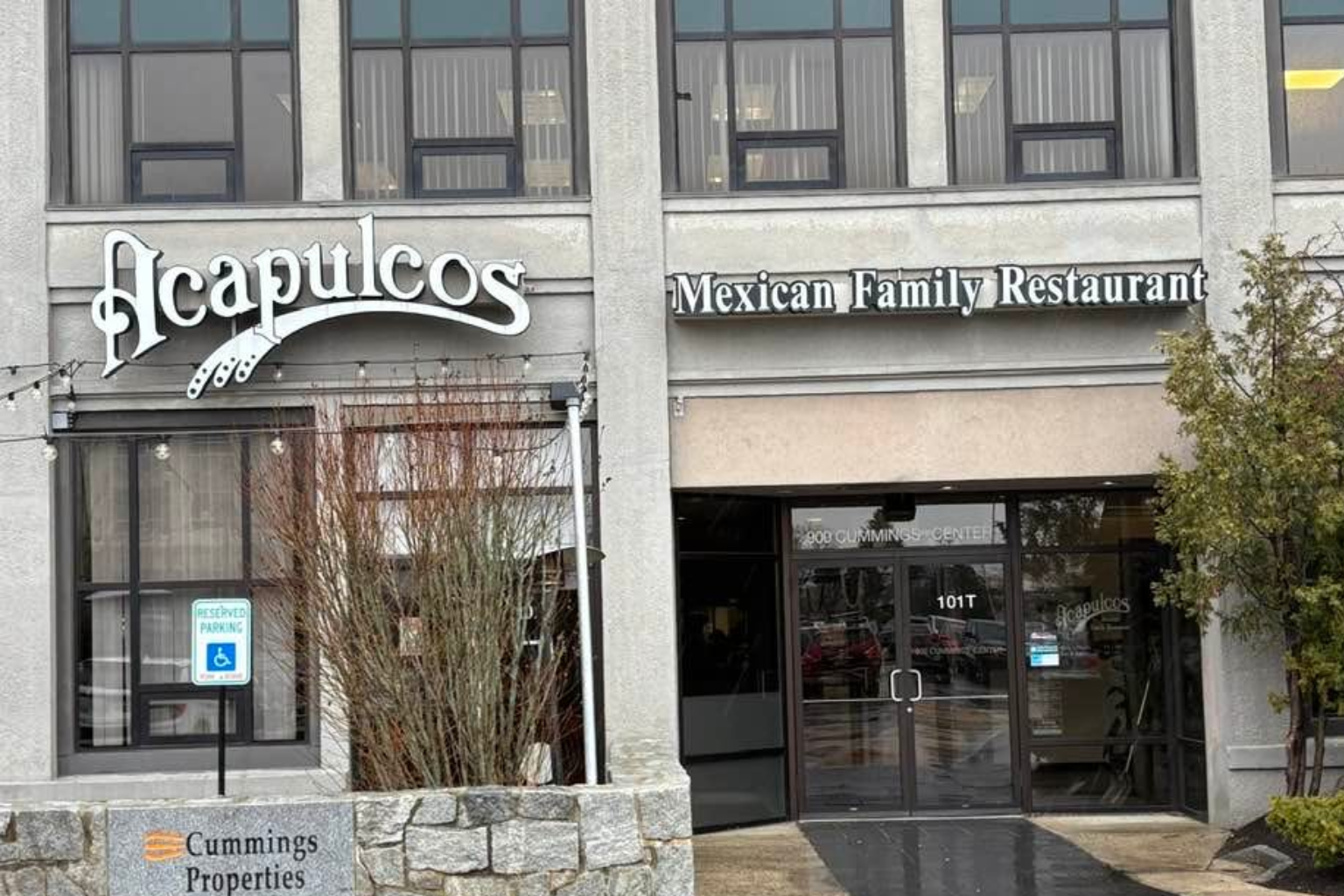
The Acapulco Restaurant Chain is slowly disappearing after serving customers for more than six decades. The iconic Mexican restaurant brand, once known for its lively atmosphere, family dinners, and casual dining experience, is now preparing to close nearly all of its remaining locations in California.
For many people, the news feels surprisingly emotional.
Restaurants come and go all the time, but some places become part of people’s lives without them even realising it. Acapulco was one of those places. Families celebrated birthdays there. Friends gathered after work for tacos and margaritas. Weekend dinners slowly turned into traditions that lasted for generations.
Now, after 66 years in business, that chapter is coming to an end.
Why the Acapulco Restaurant Chain Meant So Much to Customers
When Acapulco first opened in Pasadena, California, back in 1960, it quickly became popular for offering a welcoming and affordable Mexican dining experience. Over the years, the chain expanded to nearly 40 locations and built a loyal customer base across California.
At one point, the Acapulco Restaurant Chain felt almost impossible to miss.
The restaurants were known for their colourful interiors, relaxed atmosphere, and large family-style meals that made customers feel comfortable staying for hours. It was never just about the food. The experience itself became part of the brand’s identity.
But like many older restaurant chains, surviving in today’s economy became increasingly difficult.
The restaurant industry has changed dramatically over the past decade. Rising food prices, higher wages, inflation, and increasing operating costs have created pressure on businesses of every size. Many customers still enjoy dining out, but fewer people are doing it as often as before.
For legacy restaurant brands already struggling after the 2008 recession, those challenges only became harder to overcome.
The End of a Local Landmark
One of the final remaining locations of the Acapulco Restaurant Chain in Glendale, California, is now preparing to close permanently. The location had been operating for nearly 57 years and became a familiar place for generations of local customers.
According to reports, the property will eventually be demolished and replaced with a car wash after the restaurant closes.
That detail alone says a lot about how cities and businesses continue to evolve over time.
Places that once brought people together slowly disappear, replaced by something more practical and commercial. It happens quietly, often without people realising how much those places meant until they are suddenly gone.
In a farewell message shared online, the restaurant thanked loyal customers for decades of support and described the business as “more than just a restaurant.”
And perhaps that is the most important part of this story.
Because restaurants like Acapulco are rarely remembered only for their food. They are remembered for moments. Conversations. Family dinners. First dates. Celebrations. Small traditions people never expected to lose.
A Bigger Problem Across the Restaurant Industry
The decline of the Acapulco Restaurant Chain is also part of a much larger trend happening across the American restaurant industry.
Over the last few years, several well-known dining chains have downsized, closed locations, or filed for bankruptcy as financial pressure continues to grow. Inflation has affected almost every part of the business, from ingredients and labour costs to rent and maintenance expenses.
At the same time, customer behaviour is changing quickly.
Many younger consumers now prefer food delivery apps, fast-casual restaurants, or smaller local food brands instead of traditional sit-down dining chains. Competition has become stronger than ever, and older restaurant brands are struggling to remain relevant in a rapidly changing market.
Industry experts believe many legacy restaurant chains could face similar problems in the coming years unless they successfully adapt to modern customer expectations and digital trends.
Final Thoughts
The story of the Acapulco Restaurant Chain is not simply about another restaurant closing down.
It is about how quickly familiar places can disappear.
A restaurant chain that once operated nearly 40 locations is now down to a single remaining branch. For longtime customers, that feels like losing a small piece of the past — a reminder of how certain places quietly become part of our lives, routines, and memories over time.
And maybe that is why stories like this resonate so deeply with people.
Because sometimes, the loss of a restaurant feels like the loss of an entire era.
