

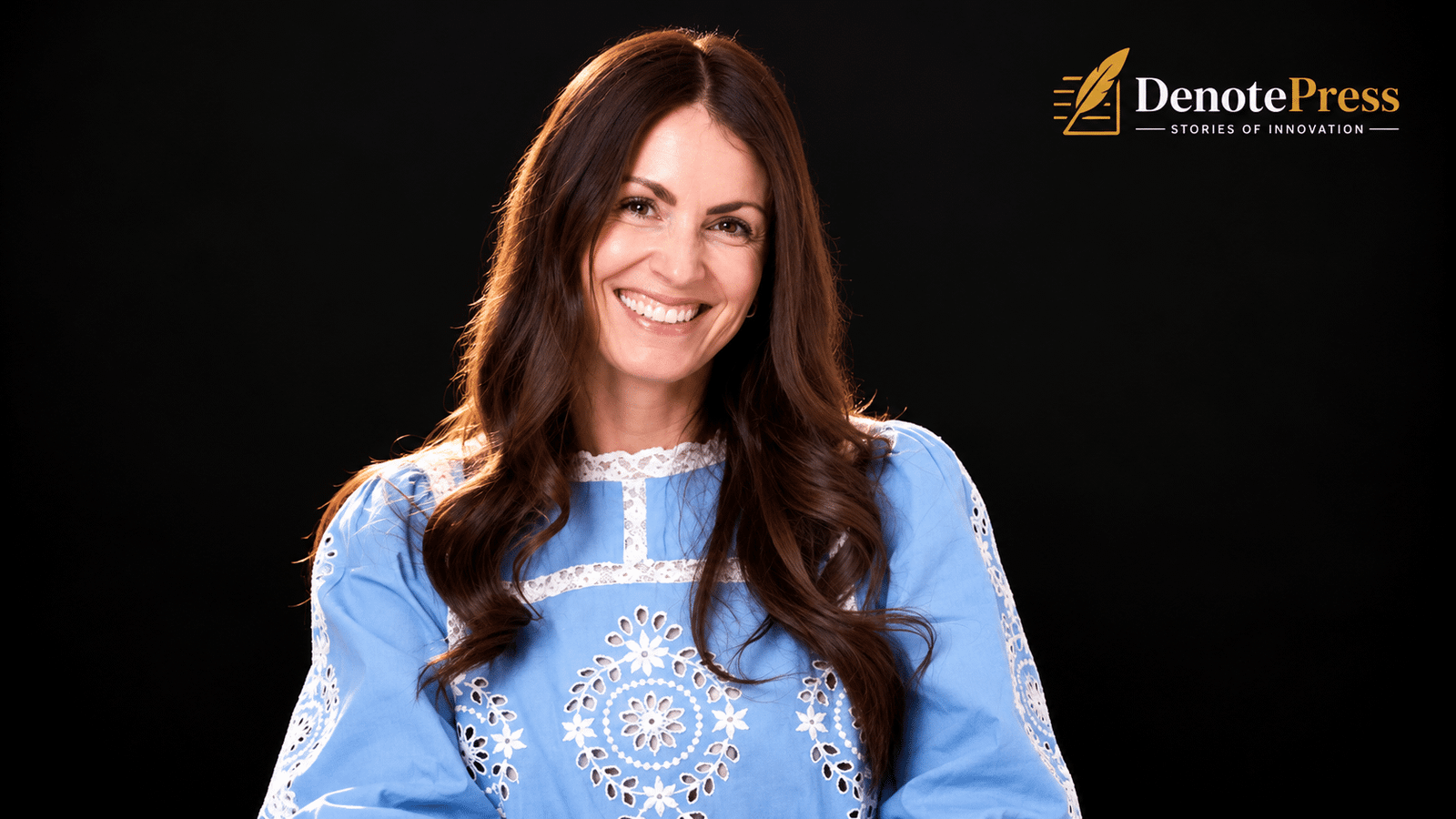
Rachel Mansfield cadootz is the story of a recipe creator who got tired of packing lunchboxes with snacks she did not feel good about and built the one she wanted. Mansfield is the co-founder and co-CEO of cadootz, an organic, seed-oil-free, protein-packed kids’ cracker brand she runs with her husband Jordan Carpenter. The crackers launched online in January 2026 and, according to Forbes, reached every Target store in the country six months later. The company has raised more than $3 million in seed funding. Here is how Mansfield got there, what is in the box and why Target made what it called one of its biggest bets of the year.
Rachel Mansfield cadootz: Who Is the Founder?
Rachel Mansfield is a food entrepreneur, recipe developer, cookbook author and creator with a following she has built over more than a decade. According to the cadootz founders’ note, she and her husband Jordan are the parents of three young boys, and the brand grew out of their own school-snack routine. Her first cookbook is Just the Good Stuff, and her second cookbook, per her LinkedIn profile, became a New York Times bestseller.
She co-leads the company with Carpenter, who is also co-CEO, and a third co-founder, Kiva Dickinson, the managing partner of the venture firm Selva Ventures. The brand’s FAQ is direct about the relationship: cadootz is not a collaboration in which Mansfield lends her name. It is a company she and her husband founded from the ground up. That distinction is the core of the Rachel Mansfield cadootz story.
From Fired Employee to Food Creator
Mansfield’s route to snacks began with a job she lost. As Forbes tells it, she started in the food space when social media was just reshaping how products were marketed, and food blogs still reached people better than Instagram. She was fired from her job as her own blog began to take off. It was unwelcome at the time, but it gave her room to focus, and within six months she was earning more from creating recipes than she had at the old job.
She then began consulting brands on social media strategy, at a time when many companies did not yet see the value. That early bet on creator-led marketing taught her how brands find their customers, and it later shaped how she launched her own. The firing, in hindsight, is the seed of Rachel Mansfield cadootz.
From Creator to Investor: Grt Sht Ventures
Working with brands pushed Mansfield toward investing in them. Forbes reports that she partnered with Carpenter, who had experience investing in real estate, and that their first investment was in Hu Chocolate, which was later sold to Mondelez. That success led them to create Grt Sht Ventures, a fund focused on emerging consumer brands. The couple has since invested in more than a dozen better-for-you brands.
Investing gave them something founders rarely have: a close view of what works and what fails in food and beverage. They saw how brands scale, how retailers decide and where first-time founders get stuck. It also gave them a specific gap. They had been looking for a kids’ snack brand to back, but never found one that met every standard they wanted. The investor view is the strategic backbone of Rachel Mansfield cadootz.
The Problem: Lunchboxes Full of Empty Calories
The motivation was personal. Mansfield told Forbes she was cringing at what went into her kids’ lunchboxes: empty calories, seed oils in everything and no protein. She wanted snacks that satisfy and fuel children for longer than a short spell. Her first cookbook even contains a homemade gluten-free cheddar cracker recipe, but she wanted something convenient, so she did not have to bake crackers every time her kids wanted something crunchy and salty.
The founders’ note puts the question plainly: why was no one making organic snacks that kids love and crave? The company’s tagline sums up the pitch, crave-worthy for kids and worry-free for grown-ups.
There is also a structural gap behind the story. Cracker shelves are dominated by familiar legacy brands, and most kid-targeted options rely on refined flour and seed oils. A parent who wants organic, protein and clean ingredients usually has to give up the fun shapes and flavors kids ask for. That tension is the problem Rachel Mansfield cadootz set out to solve.
Building cadootz: Formula and Ingredients
The cadootz FAQ lays out the formula in detail. Each serving has 5 grams of protein per 30 grams, from a mix of organic cheddar cheese and organic milk protein concentrate. The flour is organic oat flour that the company says is certified purity protocol gluten-free and glyphosate-free, with no enriched wheat flour. The fat is 100% organic extra virgin olive oil, so the crackers are free of seed oils.
The brand also makes a point of what it leaves out. It uses no natural flavors, explaining that a single natural flavor can hide dozens of ingredients. Instead, as Forbes notes, flavors come from real seasonings such as garlic powder, onion powder and rosemary extract, and the ranch flavor uses real dill. Jordan Carpenter’s point to Forbes was that people’s idea of ranch is shaped by natural flavors, and real ingredients taste different.
The certifications are extensive. According to the website, the crackers are certified organic by QAI, certified gluten-free, Non-GMO Project Verified and kosher dairy under the Orthodox Union. They are peanut-free, tree-nut-free, sesame-free and corn-free, and the company says it periodically tests for heavy metals. It also lists a Clean Label Project Purity Award and calls itself the only Clean Label Project cracker, which is a company claim. A comparison table on the homepage puts cadootz at 5 grams of protein against 2 to 3 grams for several competitor styles.
These details matter because parents are skeptical. The formula is the technical backbone of Rachel Mansfield cadootz.
The Name, the Shape and the Brand
The brand’s personality is deliberately playful. Mansfield told Forbes the name came from a nickname the couple often used for their son Cooper. It rolled off her tongue one day and stuck, and they wanted it to evoke the lighthearted feeling kids have when eating a snack they love.
The cracker shape follows the same idea. The small boomerang-shaped pieces fit flush in a child’s hand, look like a grin and can be used as little puzzle pieces. Carpenter said the shape could become a brand identifier as the company expands into other snacks. As Mansfield put it, kids play with their food whether adults want them to or not, so the brand embraced it.
That design thinking is a smart move for a category where brand familiarity drives most purchases. A distinctive shape, a memorable made-up word and a bright package give the brand a chance to stand out on a crowded shelf. The playful identity is the emotional hook of Rachel Mansfield cadootz.
Launching Direct to Consumer in January 2026
According to Just Food, the company was set up in 2023 and launched its products through direct-to-consumer channels in January 2026. Forbes says the brand spent three years in development before the online launch.
The first drop moved fast. FoodBev reported that the inaugural cracker line sold out its first production run in under two hours, which it attributed to strong demand and community-driven marketing. Forbes adds that the crackers sold out that morning.
The launch strategy gave Mansfield’s audience first access. She told Forbes that after a decade of building a community that grew up alongside her, with kids of their own, she wanted to thank them by giving them direct access when the brand first launched. A sold-out debut works as a signal to retail buyers, and it gave the founders the proof they needed for the next step. The sellout is how Rachel Mansfield cadootz turned an audience into early demand.
Inside the $3 Million Seed Round
On April 7, 2026, the company announced a seed round of more than $3 million. According to the PR Newswire release, the round was led by Selva Ventures and was meant to fuel the next phase of growth, including a nationwide launch at a major retailer in June 2026 and the debut of a new family-friendly pack type. FoodBev reported that additional strategic investors also participated.
Forbes clarifies the structure: Selva Ventures and Grt Sht Ventures together raised more than $3 million to develop and launch the brand. It is the first brand incubated under Selva, and Dickinson is a co-founder of the company.
It is a modest sum by consumer-brand standards, and the funds were targeted. The money supports production, retail entry and the new pack format rather than a broad brand-building campaign. For more on how rounds like this shape young brands, see our Funding News section and our story on Nopalera’s Series A. A focused seed gave Rachel Mansfield cadootz the runway to reach shelves quickly.
The Investors Backing Rachel Mansfield
The investor group is unusually close to the founders. Selva Ventures, led by Kiva Dickinson, is an early-stage investor known for backing health-focused brands, including Mid-Day Squares and Grüns, according to FoodBev. Grt Sht Ventures is the founders’ own fund. Dickinson had told the couple for years that he wanted to invest in a brand with Mansfield at the wheel.
Dickinson described the ambition in the Just Food report. He said he believes cadootz can become the ultimate shorthand for trust in kids’ snacking, a modern seal of approval for what families should feel good about, and that the founders are building a platform that sets the standard across every format and occasion.
This structure has trade-offs. It aligns incentives tightly and brings operating experience, but it also means the company leans on a small circle of backers. As it scales, it may need outside capital and different expertise. For now, that mix of insider conviction and investing know-how strengthens Rachel Mansfield cadootz.
Landing Target Six Months After Launch
The headline milestone arrived in June 2026. According to the Target launch announcement, cadootz launched nationwide at Target as its first retail expansion, bringing its full lineup of cheddar, sea salt and ranch crackers. Mansfield called it surreal and a full-circle moment, since Target runs are part of her family’s weekly routine.
Forbes points out how unusual this is. Most brands do not go straight into a mass chain within six months of launching, yet Target chose to make one of its biggest bets of the year on cadootz. Mansfield said the decision was not about where to launch but about which team understands the vision. Target’s buyers first saw the brand at its 2025 Innovation Summit.
John Conlin, Target’s senior vice president of merchandising for food and beverage, said the retailer leads with merchandising authority to bring guests new and relevant brands, and called cadootz a distinctive better-for-you snack with simple ingredients and kid-friendly flavors. The timing fits Target’s strategy: Forbes reports that the retailer increased its better-for-you selection by 30% this year and is prioritizing protein in food and beverage.
The Target launch is the proof point that moved Rachel Mansfield cadootz from creator brand to national brand.
The Snack Packs and the Back-to-School Bet
The retail launch came with a new format. Alongside the boxes of crackers, cadootz introduced pre-portioned snack packs, timed for back-to-school. According to Forbes, the multi-serve boxes and the snack packs were retail exclusive to Target for three months. The cadootz website currently lists two Target-exclusive snack packs, in cheddar and sea salt, with eight-count packs at 6.5 ounces for the cheddar version.
The format is strategic. Single-serve packs are what parents toss into lunchboxes, backpacks and cars, so they fit the use case that inspired the brand. They also give Target a new item to merchandise during the busiest season for kids’ snacks. The brand says it is also on Amazon and Instacart, and sells through its own site.
Mansfield was out promoting the launch in person too. A post on her LinkedIn profile describes the team walking the floor at the Fancy Food Show with snack packs and Target coupons. That hands-on approach shows how the founders treat the early retail months as a sprint. The snack packs are the format bet behind Rachel Mansfield cadootz.
Where cadootz Stands in the $10 Billion Cracker Category
Forbes values the U.S. cracker category at more than $10 billion and describes it as a massive legacy category where many consumers buy by brand familiarity. That is both the opportunity and the obstacle. Incumbent brands have decades of loyalty, but there has been relatively little innovation in organic, protein-forward kids’ crackers.
cadootz positions itself in that white space. Its homepage compares it with an organic cracker, an almond flour cracker, a cheddar fish cracker and a cheddar star cracker, claiming advantages in protein, seed-oil-free ingredients, gluten-free certification and the Clean Label Project award. Those are company comparisons, so shoppers should read the labels themselves.
The risks are real. Premium pricing can limit repeat purchase, especially against value cracker brands. A first retail account concentrates risk. Social-media-driven launches can fade without product-led repeat buying. And the brand must prove the shape, taste and protein claims keep kids and parents returning. In a legacy category, Rachel Mansfield cadootz competes on ingredients, fun and trust.
This article is for information only and is not nutrition or medical advice. cadootz products contain milk. Always check the label for allergens and ingredients before giving any food to a child.
Leadership Style and What’s Next
Mansfield and Carpenter lead as co-CEOs, a structure the company uses openly. Carpenter described the brand’s goal to Forbes in simple terms: they want cadootz to be a trusted snack company, and everything Mansfield has built has revolved around bringing community together with food. His line about her was that feeding people is her love language.
Their style blends community building with investor discipline. Mansfield brings the audience, recipe instincts and product taste, while Carpenter and Dickinson bring investing, operations and fund-raising experience. Her own comment on why she built the product, that she wanted it for herself, shows a founder who builds from a lived need.
The visible next steps are clear: grow the Target presence, expand to other retailers after the exclusive window, build out Amazon and Instacart and extend the shape and brand into other snack formats. Carpenter said as much about using the shape as a brand identifier. The test is repeat purchase after the launch buzz fades. That discipline will define the next chapter of Rachel Mansfield cadootz.
Lessons From the Rachel Mansfield cadootz Journey
The Rachel Mansfield cadootz journey offers five practical lessons for founders.
First, build the product you want. Mansfield made the snack she wanted for her own kids’ lunchboxes, which gave her a clear standard to hold the product to.
Second, turn an audience into first customers. Giving her community first access produced a sellout in under two hours and a strong story for retail buyers.
Third, bring investor experience to the table. Years of investing in food brands taught the founders what retailers and consumers expect.
Fourth, make the brand easy to remember. A playful name and a boomerang cracker shape give the brand an identity beyond the ingredient list.
Fifth, choose the retail partner that understands the vision. Launching at one mass retailer with a clear plan was more useful than spreading thin across many.
Frequently Asked Questions
Who is Rachel Mansfield?
Rachel Mansfield is a food entrepreneur, recipe developer, cookbook author and creator. She co-founded cadootz and serves as co-CEO with her husband, Jordan Carpenter.
What is the Rachel Mansfield cadootz story?
It is the story of a food creator who wanted better snacks for her kids, built an organic, seed-oil-free cracker brand with her husband and an investor partner, sold out her first production run in under two hours and reached all Target stores within six months.
What is cadootz?
cadootz is a kids’ snack brand that makes organic, gluten-free, seed-oil-free crackers with 5 grams of protein per 30-gram serving, in cheddar, sea salt and ranch flavors.
Who founded cadootz?
Rachel Mansfield, Jordan Carpenter and Kiva Dickinson of Selva Ventures co-founded the company. Mansfield and Carpenter are co-CEOs.
How much funding has cadootz raised?
The company announced a seed round of more than $3 million in April 2026, led by Selva Ventures, with Grt Sht Ventures and additional strategic investors.
When did cadootz launch?
It launched online in January 2026 and sold out its first production run in under two hours.
Where can I buy cadootz?
cadootz crackers are sold at Target stores nationwide, on cadootz.com, on Amazon and through Instacart.
What makes cadootz different from other kids’ crackers?
The brand says its crackers are certified organic, use organic extra virgin olive oil instead of seed oils, contain no natural flavors, are certified gluten-free and have 5 grams of protein per serving. These are company claims, so check the label.
Are cadootz crackers nut-free?
Yes. The company says its products are peanut-free and tree-nut-free, and it states that they contain no sesame. They do contain milk.
Where does the name cadootz come from?
Mansfield told Forbes it came from a playful nickname the couple used for their son Cooper.
Conclusion
Rachel Mansfield cadootz shows what happens when a creator with a loyal audience, an investor’s playbook and a personal frustration build the product themselves. By pairing a clean ingredient list with a playful name and a cracker shape made for small hands, then launching to her own community first, Mansfield sold out in hours and won a nationwide Target launch within six months, on just over $3 million of seed funding. The open question is whether kids and parents keep buying after the launch buzz fades. If repeat purchase holds, cadootz may become the trusted name in kids’ snacking that its backers hope for.
For more founder journeys in consumer brands, see Freddie Martignetti’s Rosaluna, Dorsia’s Series A and Marcos del Pilar’s Pro Padel League on Denote Press, or browse all Founder Stories.
